
Packing effectively for travel means considering the climate of the destination. Understanding what to bring for varied environments—from tropical heat to icy landscapes—can make or break a trip. This guide will provide practical tips on selecting essential clothing and gear to ensure comfort and preparedness, regardless of the weather.
In tropical climates, lightweight, breathable fabrics are key, while layering is crucial for colder regions. Each climate requires specific items that can enhance one’s experience, making it essential to pack wisely. This article will explore major climate types and suggest suitable packing strategies for enjoyable travel.
Whether planning an adventure in a humid rainforest or a snowy mountain retreat, being equipped with the right items simplifies the journey. Attention to detail in packing not only enhances comfort but also allows for seamless transitions between activities in different weather conditions.
Essential Packing Principles for All Climates
Packing efficiently for any climate requires a strategic approach. A well-organised packing list, appropriate travel wardrobe basics, and secure management of travel documents are vital for a successful trip.
Creating a Versatile Packing List
A versatile packing list should be tailored to the destination’s climate and the planned activities. Begin by identifying key items based on weather conditions. For a tropical setting, include lightweight, breathable fabrics, while colder climates necessitate insulated layers.
Using packing cubes can assist in maintaining order. They create space and allow easy access. Always pack at least one waterproof layer, regardless of the destination. A simplified list can prevent overpacking; consider the following essentials:
- Basic Clothing: Shirts, trousers, and dresses that can mix and match.
- Outerwear: Suitable for both warmth and rain.
- Footwear: Versatile shoes that cater to diverse terrains.
Selecting Travel Wardrobe Basics
Choosing the right travel wardrobe basics is crucial for adaptability. Items should prioritise comfort and functionality. Moisture-wicking fabrics are advisable for warm and humid conditions, while breathable base layers work well in cooler climates.
Opt for lightweight clothing that can be layered to adjust to fluctuating temperatures. Recommended travel wardrobe items include:
- Base Layers: Essential for warmth in colder climates.
- Versatile Tops: Simple shirts that can be dressed up or down.
- Quick-dry Clothing: Helpful for washing items on the go.
By selecting quality over quantity, travellers achieve a lighter carry-on that simplifies movement through airports and other transport hubs.
Managing Travel Documents and Security
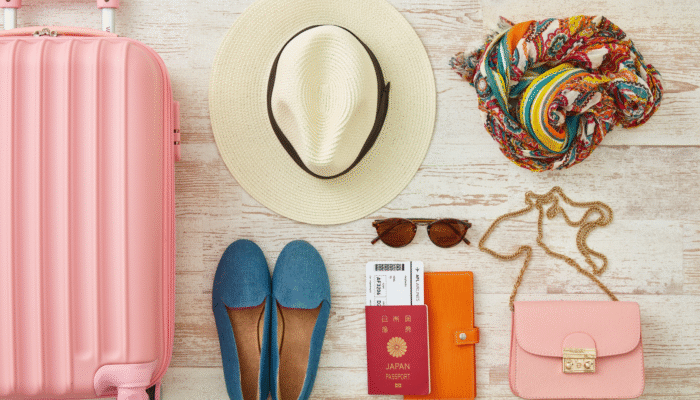
Keeping travel documents organised ensures preparedness during journeys. Important documents include a passport, travel insurance, and any necessary visas.
It’s advisable to maintain copies of essential documents both physically and digitally. Use a dedicated travel wallet to safeguard these items. In addition, consider the following tips:
- Accessibility: Keep documents in an easily reachable pocket.
- Security: Utilise anti-theft bags for added safety.
- Emergency Contacts: Maintain a list of key numbers for quick reference.
By adhering to these principles, travellers can navigate different climates with greater ease and confidence.
Packing for Warm and Tropical Destinations
Selecting the right items for warm and tropical destinations can enhance comfort and ensure readiness for various activities. Lightweight clothing and adequate protection against the elements are crucial for travellers to enjoy their experiences fully.
Lightweight Clothing Choices
For warm climates, lightweight and breathable fabrics are essential. Cotton and moisture-wicking materials are ideal as they allow air circulation and help manage sweat. Options like loose-fitting shirts and shorts are practical for both casual outings and hiking.
Recommended Items:
- Lightweight shirts (short and long sleeves)
- Quick-drying trousers or shorts
- Sundresses for women
- Swimwear
Layering is also advisable, even in warm weather. A light long-sleeve shirt can provide protection against the sun. Packing light is key, so choosing versatile clothing that can be mixed and matched will optimise luggage space.
Weather-Appropriate Protection
Rain and sun protection are vital in tropical regions. A lightweight waterproof jacket or rainwear is a must, especially in areas known for sudden downpours.
In addition, a robust pair of walking shoes is crucial for outdoor activities, ensuring comfort and safety. A wide-brimmed hat and sunglasses will further shield against UV rays.
Important Accessories:
- Waterproof rain jacket
- Sun hat
- Sunglasses
- Travel-sized first-aid kit
Staying hydrated is essential. Travel with reusable water bottles to ensure access to fresh water while exploring. These preparations will contribute to a more enjoyable experience in warm climates.
Packing for Cold and Icy Environments
When preparing for a cold or icy climate, it is essential to focus on effective layering and the right specialised gear. Proper packing will ensure warmth, comfort, and protection against elements like snow and rain.
Layering Techniques and Thermal Essentials
Layering is key to maintaining warmth in icy conditions. A base layer made of materials such as merino wool or synthetic fabrics is crucial. This layer wicks moisture away from the skin and keeps the body warm.
The next layer is the insulating layer, often a fleece or a down jacket. This provides essential heat retention. Packing cubes can help organise these layers efficiently.
The outer shell is designed to be waterproof and windproof. Selecting a quality outer layer is essential for protection against harsh conditions. Accessories such as thermal socks, gloves, and hats should not be overlooked, as they play a significant role in retaining body heat.
Special Cold Weather Gear
In addition to standard clothing, specialised gear is vital for cold climates. A reliable pair of waterproof hiking or walking shoes ensures dry, warm feet, which is essential for prolonged exposure. Insulated boots are an ideal choice for icy terrain.
Outdoor activities may require additional gear, such as gaiters to prevent snow and ice from entering footwear. A high-quality down jacket offers significant warmth without excess bulk.
Finally, don’t forget personal items like insulated water bottles, as staying hydrated is crucial, even in cold weather. Keeping these essentials in mind will lead to a more comfortable experience in cold environments.
Travel Essentials and Personal Items
When preparing for a trip, it’s crucial to pack travel essentials and personal items that cater to various climates and conditions. This includes toiletries, necessary medications, electronics, and the means to document the journey and carry souvenirs.
Toiletries and Medications
Packing toiletries requires careful consideration based on the climate of the destination. Basic items include:
- Toothbrush and toothpaste
- Shampoo and conditioner
- Sunscreen (for tropical climates)
- Moisturiser (for dry or chilly weather)
Prescription medications must be included along with a first-aid kit containing essentials like plasters, antiseptic wipes, and pain relief tablets. It’s wise to keep these items in easily accessible pouches. For longer trips, portable hygiene supplies, such as sanitising wipes and hand sanitiser, are advisable to maintain cleanliness while travelling.
Electronics, Power, and Accessories
For electronics, it is essential to bring devices that enhance the travel experience. Key items include:
- Smartphone (for communication and navigation)
- Camera (to capture memories)
- Portable charger or power bank (for extended use)
- Universal plug adapter (for international charging)
These accessories ensure devices remain charged, which is particularly important while exploring remote areas. Additionally, a lightweight laptop or tablet can be useful for keeping records or sharing experiences in real-time.
Organising Souvenirs and Guidebooks
While travelling, it is common to acquire souvenirs and local guidebooks. Packing strategies should facilitate easy access and organisation. Utilise:
- Compression packing cubes for clothes, leaving room for souvenirs
- Zippered pouches for guidebooks and maps
- Foldable totes or backpacks for additional items on the return journey
Keeping these items separate from clothes helps avoid damage and keeps baggage organised. Investing in quality packing solutions can enhance the travel experience by simplifying organisation and retrieval.