

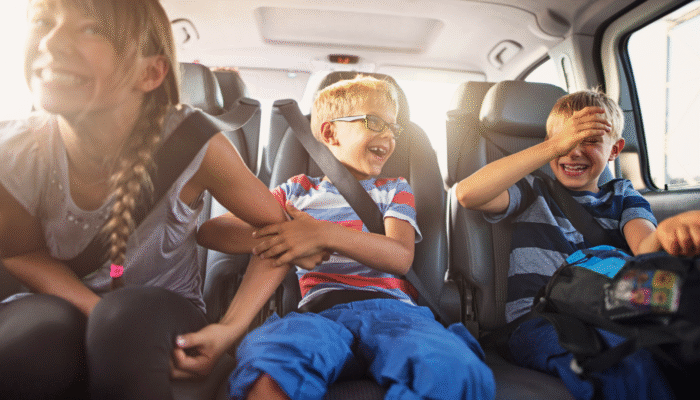
Long road journeys can be challenging for both children and parents, especially when boredom sets in quickly. The key to keeping kids entertained lies in preparation and variety. Providing a mix of activities, including games, storytelling, and quiet time options, can help maintain their interest throughout the trip.
Understanding a child’s preferences and energy levels plays an important role in choosing the right entertainment. Technology, such as tablets or audiobooks, can be useful but should be balanced with interactive options like travel games or creative tasks.
Engaging children with different types of stimuli reduces restlessness and prevents frustration for everyone involved. This practical approach makes the journey smoother and more enjoyable for the whole family.
Essential In-Car Entertainment Strategies
Keeping children occupied during long journeys requires organisation and a variety of engaging options. Creating distinct play areas and having accessible storage ensures activities remain tidy and easy to reach.
Planning a Variety of Activities
A mix of activities prevents boredom, quickly setting in. Selecting small toys, puzzles, and colouring books offers tactile and mental stimulation. It’s important to rotate these periodically during the trip to refresh interest.
Including options that require minimal supervision, such as simple puzzles or interactive books, allows adults to focus on driving safely. Balancing quieter activities with ones that involve some movement keeps energy levels balanced without causing disturbances.
Setting Up a Back Seat Play Zone
Designating a specific area in the back seat for toys and activities helps maintain structure. This zone should be comfortable and contained using a travel tray or organiser.
The play zone can include clipboards for drawing, easy-to-open containers with small toys, and puzzles with magnetic pieces to avoid items falling onto the car floor. Ensuring the zone is within the child’s reach encourages independent play.
Using Organisers and Travel Bags
Organisers help keep items neat and accessible during the journey. Hanging organisers on the back of seats are useful for storing puzzles, books, and toys in labelled compartments.
Travel bags or pouches for individual children prevent arguments over shared items and simplify cleanup stops. Using clear or mesh pockets allows quick identification of contents without opening every bag.
Engaging Car Games and Interactive Activities
Keeping children occupied in a car can be achieved through a variety of interactive games and activities. These encourage mental engagement and limit boredom by using verbal skills, observation, and memory.
Classic Verbal Games
Classic verbal games require no equipment and are ideal for small backseats. Games like 20 Questions develop critical thinking by having kids guess objects based on yes/no answers.
Another popular option is I Spy, which sharpens observation skills by asking children to identify items within sight. Would You Rather encourages decision-making and conversation, keeping the atmosphere lively.
These games are flexible and adaptable for different age groups. They can last from just a few minutes to long stretches, allowing parents to control pacing based on the children’s attention span.
License Plate Game Variations
The Licence Plate Game involves spotting registration plates from different regions or countries. It can be tailored by creating a checklist or bingo card to track sightings.
One variation adds points based on rarity or distance of the plate’s origin, making it competitive and educational. Another encourages children to call out the letters or numbers and create words or phrases from them.
This game boosts pattern recognition and geography knowledge while keeping children engaged with the outside environment. It is particularly useful in busy areas or on long motorway sections.
Memory and Spotting Challenges
Memory games challenge children to recall details from previous observations, enhancing concentration. For example, after spotting certain types of vehicles or road signs, players must remember and list them later.
Spotting challenges involves counting specific objects such as red cars, animals on farms, or roadworks. Lists or charts can be prepared beforehand to make tracking easier.
These activities combine puzzles and keen observation to create mental stimulation. They also encourage children to focus on their surroundings, reducing restlessness during the journey.
Creative and Educational Options
Using tools that combine learning with fun keeps children engaged while also helping them develop skills. These options include interactive screen time, hands-on activities, and quiet crafts designed for travel.
Educational Apps for Road Trips
Educational apps tailored for road journeys offer interactive learning experiences without requiring the internet. Apps such as Khan Academy Kids or Endless Alphabet provide games focused on literacy, numeracy, and problem-solving.
Parents should look for features like offline functionality, age-appropriate content, and timers to limit screen time. Puzzle apps that encourage critical thinking, like Lumosity or Thinkrolls, promote cognitive skills and keep children focused.
Tips:
- Preload apps before travel.
- Use tablets with headphones to minimise distractions.
- Balance app time with offline activities to avoid overuse.
Colouring and Activity Books
Colouring and activity books deliver creative, screen-free entertainment. Select books that include puzzles, mazes, and educational facts related to geography or animals to add an educational dimension.
Using washable markers or crayons helps keep the car clean. Magnetic or sticker activity books can avoid mess and provide reusable fun. Having a variety improves choices and reduces boredom.
Benefits include:
- Improving fine motor skills
- Encouraging independent play
- Supporting focus and patience
Travel-Friendly Craft Kits
Compact craft kits designed for travel add hands-on learning to road trips. Kits with simple supplies like pipe cleaners, beads, or pre-cut shapes enable children to create without needing large spaces or many tools.
Choose kits that focus on building, pattern recognition, or sequencing to reinforce educational goals. Kits that come in plastic containers or bags prevent loose pieces from scattering in the car.
Ideal features:
- Small parts are contained securely
- Clear instructions for self-directed use
- Materials suited to the child’s age and ability
Imaginative Play and Musical Fun
Keeping children engaged during lengthy journeys can be made easier through creative activities that combine storytelling and music. Simple, hands-on tools and familiar songs help maintain focus and enjoyment without requiring screens or complex setups.
Finger Puppets and Mini Puppet Shows
Finger puppets are small, portable, and encourage imaginative play. Children can invent characters, create stories, and use their hands to act out scenes. This helps develop fine motor skills and creativity while distracting from boredom.
Parents can join in by prompting story ideas or voicing characters, making the journey interactive. A small pouch or case holds the puppets without taking up space. Using different accents or voices adds variety and keeps the child engaged.
Sing-Alongs and Nursery Rhymes
Singing familiar nursery rhymes connects children to past experiences and aids memory. Repeating simple songs like Twinkle Twinkle Little Star or The Wheels on the Bus encourages participation and comfort.
Adults can create playlists of favourite rhymes or use lyric cards for those less confident in singing. Incorporating rhythm by clapping hands or tapping the seat can make the activity more dynamic. Sing-alongs are particularly effective when combined with finger movements or gestures, keeping children physically involved.