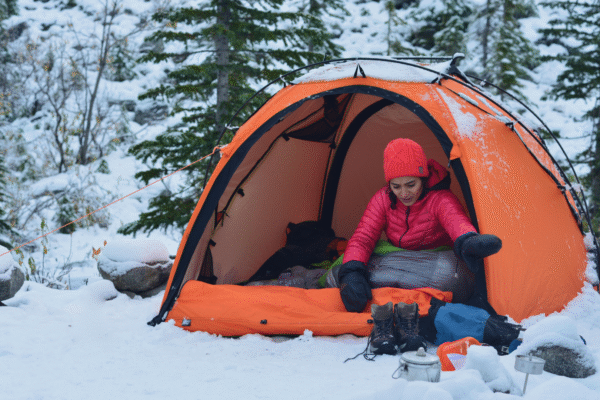


Choosing the right tent is essential for a successful outdoor adventure. It affects comfort, safety, and how well someone can enjoy their time in the great outdoors. The best tent matches the conditions of the trip, the number of people, and the type of outdoor experience desired.
Factors like weight, weather resistance, and size all play a role. Someone heading into unpredictable weather needs a sturdy, waterproof tent, while a lightweight model suits those prioritising easy mobility.
Knowing the terrain and climate helps narrow down options effectively. This clarity turns the selection process from overwhelming to straightforward.
Key Considerations When Choosing a Tent
Selecting the right tent involves understanding specific needs related to the type of adventure, how many people will share the space, the environment, and expected weather. These factors strongly influence comfort, safety, and the quality of the outdoor experience.
Purpose and Type of Adventure
The intended use of the tent dictates its design and features. For casual car camping, larger family tents prioritise space and comfort over weight. Backpacking tents focus on lightweight materials and compactness for easier carrying over long distances.
Different adventures may require various tent styles, such as dome tents for stability, tunnel tents for spaciousness, or mountaineering tents built to endure harsh alpine conditions. A 3-season tent is most versatile, suited for spring, summer, and autumn camping, but it is not ideal for extreme winter conditions.
Tent Capacity and Group Size
Tent capacity indicates the number of people it can fit, but choosing a tent precisely by capacity risks a cramped night’s sleep. It’s advisable to select a tent rated for one or two more occupants than the group size for extra space and gear storage.
Family tents often come with multiple rooms and higher ceilings for comfort during longer stays. Solo campers or couples should prioritise lighter tents with enough room for sleeping and essentials. Weight and packed size are significant factors when the tent must be carried.
Terrain and Campsite Location
The terrain affects tent choice based on how stable and flat the ground is. Rocky or uneven surfaces require tents with strong poles and durable fabrics to endure abrasion and wind stress. Soft, grassy sites allow easier pegging and benefit from tents with larger footprint areas.
Water drainage and ground conditions inform whether a tent needs a fully waterproof floor or reinforcement in high-wear areas. Tents with a symmetrical shape and low profile perform better in windy settings, which are common near coasts and mountains.
Seasonality and Weather Conditions
Seasonality determines the tent’s material strength and ventilation features. 3-season tents balance lightweight fabric with water resistance and adequate breathability, making them suitable for summer camping and moderate weather.
For cold, wet, or snowy environments, 4-season tents withstand heavy snow loads and strong winds thanks to sturdier poles and tighter seams. Ventilation helps reduce condensation inside the tent during humid nights, which is crucial for all seasons.
Weather considerations also include ease of setup during rain or wind. Features like waterproof rainflies, guy lines, and reinforced zippers contribute to lasting protection and comfort outdoors.
Exploring Different Types of Tents
Choosing the right tent depends on the nature of the journey, the number of campers, and the desired balance between weight and comfort. Tents vary widely in design and purpose, each suited to specific environments and preferences.
Backpacking Tents for Lightweight Travel
Backpacking tents prioritise minimal weight and compact size without compromising weather protection. They often use lightweight materials such as silnylon or Dyneema to reduce carry load.
Most backpacking tents are dome tents or tunnel tents due to their efficient use of space and stability in wind. Typically, they weigh between 1 to 3 kg. Features include a small footprint, low profile, and waterproof fabrics rated for multiple seasons.
These tents are best for solo hikers or small groups covering long distances where every gram matters. Ventilation and quick setup are also key factors, allowing for comfortable sleeping and shelter in variable conditions.
Family and Group Camping Tents
Family tents emphasise space and comfort over weight. They are usually larger, with room for multiple people and gear, often accommodating 4 to 8 campers.
These tents tend to be dome tents or tunnel tents with multiple rooms or dividers for privacy. Robust materials like canvas or heavy-duty polyester increase durability but add weight.
Features often include full head height, multiple doors, and ample ventilation options. These are well-suited for car camping or short-distance trips where transporting a durable tent is not restrictive.
Compact and Pop-Up Tents
Compact tents strike a balance between weight and ease of use. They are smaller than family tents but offer quicker setup than typical backpacking models.
Pop-up tents specialise in instant setup, unfolding automatically. These can be suitable for casual campers or festival goers needing shelter fast. They are generally made from synthetic materials with basic waterproofing.
While not ideal for severe weather, pop-up tents and compact designs excel in mild climates and urban settings. Their convenience comes at the cost of reduced weather resistance and limited space.
Specialist Tent Designs
Specialist tents serve niche needs such as extreme weather or specific activities. Examples include inflatable tents, canvas wall tents, and expedition-grade shelters.
Inflatable tents replace traditional poles with air beams, providing fast assembly and strong structural integrity. Canvas tents offer durability and breathability, popular in long-term or stationary camping.
Others are customised for mountaineering or desert conditions, featuring extra reinforcement, ventilation, or insulation. These tents prioritise performance in demanding environments over weight or simplicity.
Essential Tent Features and Materials
Choosing the right tent requires understanding key elements like weather protection, airflow, ease of use, and internal space. Each factor impacts comfort and safety during outdoor adventures.
Weather Resistance and Waterproofing
A tent’s ability to withstand weather conditions is critical. Most tents use a rainfly, an extra waterproof layer that covers the inner tent to block rain and wind.
Waterproofing depends on materials and coatings. Look for tents made with waterproof fabrics such as polyester with durable water repellent (DWR) coatings. Check for sealed seams or taped seams that prevent water ingress.
Hydrostatic head rating measures how much water the fabric can resist; a rating above 1500 mm is generally suitable for moderate rain. Ensure the tent has a full-coverage rainfly and a bathtub-style floor with raised edges to avoid water pooling inside.
Ventilation and Condensation Management
Ventilation combats condensation, which occurs when moisture inside meets cold tent walls. Tents with mesh windows and mesh panels allow airflow while keeping insects out.
Proper ventilation reduces dampness and improves comfort. Look for tents with adjustable vents or multiple mesh openings to control airflow depending on conditions.
Good designs separate the inner fabric from the rainfly, creating a gap that promotes air circulation. Mesh alone does not guarantee dryness; the balance between ventilation and waterproofing is essential.
Ease of Setup and Portability
A tent should be quick to pitch, especially in bad weather. Models with colour-coded poles and clips improve setup speed and reduce confusion.
Lightweight materials and compact designs enhance portability for backpackers and hikers. Consider the tent’s packed size and weight relative to your intended use.
Freestanding tents offer flexibility for uneven terrain and are easier to manage alone. Some tents include handy features such as vestibules, which extend covered storage space while keeping gear dry.
Storage and Interior Space
Interior space depends not only on the tent size but also on the layout. Tents with vestibules provide covered areas outside the main sleeping section, ideal for boots and bags.
Look for designs with multiple pockets or gear lofts to store small items securely and keep the floor clear.
Height and footprint influence comfort; a tent with a higher peak allows easier movement inside, while an efficient footprint balances space and weight. Check measurements to ensure sufficient room for occupants and gear without unnecessary bulk.
Matching Your Tent to Your Adventure
Choosing the right tent depends heavily on the nature of the outdoor adventure. Factors like weight, space, setup time, and weather resistance vary based on the activity, making certain tents more suitable than others.
Choosing Backpacking and Hiking
When selecting a backpacking tent, weight and pack size are critical. Hikers need a tent that is lightweight to reduce fatigue and compact enough to fit in a backpack. A 3-season backpacking tent typically offers the best balance between durability and protection.
Waterproof fabrics and good ventilation are essential to handle unexpected weather without adding unnecessary bulk. Tents with simple pole systems or even ultralight designs, such as freestanding tents, allow easy setup during breaks.
Durability matters, but should not come at the cost of extra weight. When choosing a tent for hiking, prioritise materials like ripstop nylon and robust poles.
Selecting for Family and Group Camping
Family tents focus on space and comfort. They usually feature multiple rooms, standing head height, and ample ventilation. Materials tend to be heavier and more durable.
Look for tent models with easy access points and large vestibules for storing gear. Stability in varying weather conditions is crucial since family camping may involve longer stays.
Waterproof coatings and strong seams protect against rain, while large windows improve airflow and light for daytime use. Family tents often weigh more and require a car or short carry rather than long-distance transport.
Tents for Festivals and Quick Getaways
Pop-up tents or quick-setup models are ideal for festivals and short trips. They require minimal effort and time to pitch, with most designs unfolding in seconds.
These tents prioritise convenience over long-term durability or extreme weather resistance. Lightweight polyester fabrics and simple frame systems keep setup fast and easy.
Ventilation and basic waterproofing are usually sufficient since festival stays are typically brief and in mild weather. Pop-up tents lack space and robustness compared to backpacking tents or family tents, but excel in ease of use.