
Many travellers struggle with the habit of overpacking, which can lead to heavy luggage and unnecessary stress. The key to avoiding this is understanding what is truly essential for the trip and planning accordingly. Limiting items to versatile pieces and considering the destination’s climate and activities helps keep packing minimal and efficient.
It also helps to create a list based on daily needs rather than “just in case” scenarios. By choosing multifunctional clothing and sticking to a realistic number of outfits, travellers can reduce the load without sacrificing comfort or style.
Carrying less not only makes moving through airports and transport simpler but also allows more space for souvenirs or last-minute purchases. Learning to pack smartly is a valuable skill that improves every journey.
Understanding and Preventing Overpacking
Recognising why overpacking happens and identifying common packing errors are essential. It also helps to understand the advantages of travelling light, which can improve convenience and reduce stress during any trip.
Psychology of Overpacking
People often overpack due to fear of being unprepared. This fear leads them to bring too many “just in case” items, resulting in unnecessary weight and bulk.
Another factor is the desire for comfort and familiarity, which prompts travellers to pack more clothing options than needed.
Emotional attachment to certain items or a misunderstanding of the destination’s climate also contributes.
Addressing these psychological triggers requires self-awareness and careful evaluation of actual needs versus perceived needs before packing.
Common Packing Mistakes
A frequent error is packing without planning outfits, causing excess clothing that never gets worn.
Travellers also tend to ignore luggage weight limits, risking extra fees or difficulty transporting bags.
Failing to prioritise versatile, multi-use items results in carrying redundant gear.
Many underestimate the space needed for essentials like toiletries and electronics chargers.
Using a checklist tailored to the trip duration and activities helps avoid these mistakes and promotes minimalist packing.
The Benefits of Travelling Light
Travelling light offers clear advantages like greater mobility and less physical strain.
It simplifies security checks, reduces the chance of lost luggage, and allows for faster airport transfers.
Minimalist packing also enables quicker packing and unpacking, saving time.
By avoiding overpacking, travellers can focus more on experiences rather than managing heavy or cumbersome bags.
The practical benefits of light travel make it worth adopting for trips of all types and lengths.
Smart Packing Strategies for Every Trip
Effective travel packing requires careful planning and selecting the right tools. Timing the packing process also influences how much is packed and reduces last-minute stress.
Creating an Effective Packing List
A well-structured packing list prevents overpacking by focusing on essential items. It should be divided into categories such as clothing, toiletries, electronics, and documents. Prioritise versatile clothing that can be layered or mixed and matched.
Lists should be customised for the destination’s climate and planned activities. Including quantities for each item reduces duplicates, for example, “3 T-shirts” instead of “T-shirts”. Checking off items during packing ensures nothing important is forgotten without adding extras unnecessarily.
Using digital apps or printable templates can streamline the process and allow adjustments as plans change. Being specific and realistic in the list keeps the suitcase light and manageable.
Selecting the Right Luggage
The choice of luggage directly affects packing habits. Lightweight suitcases or carry-on bags discourage bringing too much. Hard-shell cases protect contents better but often weigh more than soft-sided ones.
Size matters: a smaller bag forces prioritisation of essentials, while larger luggage invites overpacking. Features like compression straps, external pockets, and organisation compartments help keep items secure and reduce the need for extra bags.
Wheeled suitcases improve mobility, especially over long distances or airports. Durable materials reduce wear and tear, preventing replacement during frequent travel.
Timing Your Packing Process
Packing too early risks unnecessary additions; too late increases stress and forgotten essentials. Starting 3-4 days before allows evaluation of what is truly needed.
Breaking packing into stages—first listing and gathering items, then filling the bag—helps avoid impulsive overpacking. Reviewing the contents after initial packing highlights non-essential items that can be removed.
Final checks the day before ensure only final necessities remain. Adjusting the list during the lead-up to departure accommodates unexpected changes in weather or itinerary, optimising overall packing efficiency.
Minimalist and Organised Packing Methods
Efficient packing relies on selecting versatile clothing and using helpful tools. Planning outfits carefully reduces bulk and avoids unnecessary items, while adapting the method to different trip types ensures practical packing.
Building a Capsule Wardrobe
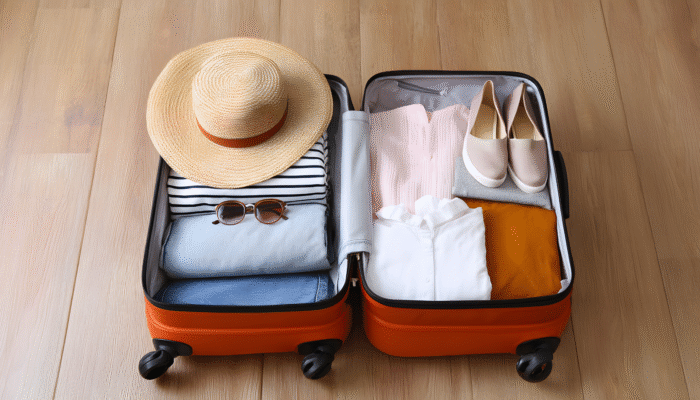
A capsule wardrobe consists of a small selection of essential clothes that mix and match well. It focuses on neutral colours and timeless styles, allowing travellers to create multiple outfits from fewer pieces.
Choosing multifunctional items saves space. For example, a pair of dark trousers can suit both casual and formal occasions. Including layering pieces helps adjust to changing weather without adding bulk.
The goal is to avoid single-use items and limit duplicates. Shoes should be minimal and selected for comfort and versatility. This approach reduces the overall weight and simplifies the decision-making process when packing.
Using Packing Cubes and Tools
Packing cubes compartmentalise clothes, keeping the luggage organised and compact. They separate items by category or outfit, making it easier to locate specific pieces without unpacking everything.
Compression cubes can reduce volume by squeezing air out of bulky items like jackets or sweaters. This saves valuable space and prevents overstuffing the suitcase.
Other useful tools include toiletry bags with compartments and shoe bags to protect clothing. Using a checklist alongside packing cubes ensures nothing unnecessary is added, supporting minimalist packing.
Mix-and-Match Outfit Planning
Planning outfits before packing ensures each piece serves multiple purposes. Travellers should create outfits that share basic items like tops, bottoms, and accessories.
For example, one pair of jeans paired with three different tops creates three distinct looks. Accessories such as scarves or jewellery enhance variety without adding weight.
Writing down or digitally organising outfit combinations prevents overpacking. This method reduces the temptation to bring extra clothing “just in case” and helps maintain lightweight luggage.
Packing Light for Different Trip Types
Short city breaks often require lighter packing with emphasis on comfortable shoes and casual wear. Minimalist packing suggests including one or two versatile outfits and essentials only.
For business trips, choosing wrinkle-resistant fabrics and planning for layered, smart-casual attire is key. Packing cubes assist by keeping formal and casual clothes separate.
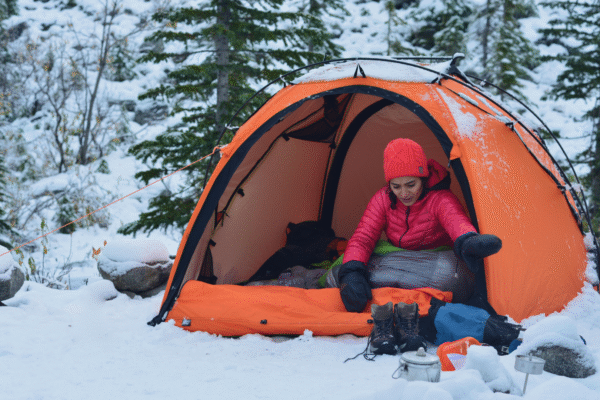
Outdoor and adventure trips may need specific gear, but still benefit from packing cubes and capsule wardrobes that focus on multifunctional clothing. Selecting quick-drying, durable fabrics reduces the total load.
Adjusting the packing strategy to the trip’s purpose ensures practical and efficient luggage that avoids excess weight and clutter.
Practical Packing Considerations
Effective packing requires attention to airline rules, weather, activities, and basic necessities. These factors determine what and how much to bring without incurring extra costs or carrying unnecessary items.
Dealing With Weight Restrictions and Fees
Many airlines charge for checked baggage, often based on weight. It is crucial to check the airline’s specific weight limits ahead of time. Carrying a digital luggage scale helps avoid surprises at the airport.
Packing lighter reduces the chance of paying overweight fees, which can be expensive. Prioritise versatile clothing that can mix and match to minimise quantity. Soft-sided bags allow more flexibility and fit better into overhead compartments, avoiding extra checked baggage fees.
Always try to fit essentials in a carry-on bag to save on checked baggage costs. Avoid overpacking electronics or heavy accessories that add weight without much benefit.
Adjusting for Destination and Activities
Packing decisions should vary based on a trip’s destination and planned activities. For example, cold climates require layering and insulated items, while tropical locations need breathable fabrics and sun protection.
Consider activities such as hiking, business meetings, or formal events to pack appropriate footwear and attire accordingly. Water-related activities might require swimwear and quick-dry towels, which are light and space-saving.
Check the destination’s weather forecast just before departure to avoid unnecessary items. Adapt the packing list dynamically, eliminating non-essential or duplicate items based on the culture, climate, and trip duration.
Managing Toiletries and Essentials
Toiletries often add weight and bulk, so focus on travel-sized bottles or solid alternatives like bar shampoo and soap. Liquids should comply with airline rules, typically limited to 100ml per container in carry-ons.
Essentials include travel documents, medications, chargers, and a small first aid kit. Use clear, sealable bags to organise toiletries, making security checks quicker and preventing spills.
Avoid packing full-size products, and consider buying some toiletries at the destination, especially for longer trips. A minimal, well-organised approach reduces weight and frees up space for important personal items.