
Packing smart for a weekend camping trip saves time, space, and stress. The key is to bring only essential items that serve multiple purposes while considering the weather and planned activities.
They should focus on compact, lightweight gear and clothing that can be layered. Prioritising practical items such as a reliable shelter, food that’s easy to prepare, and adequate clothing will make the trip more comfortable.
Planning and making a checklist can prevent overpacking or forgetting important gear. With careful preparation, the trip becomes more enjoyable and less burdened by unnecessary weight.
Essential Shelter and Sleeping Equipment
A successful camping trip depends heavily on reliable shelter and comfortable sleeping gear. Choosing equipment that matches the weather, terrain, and personal comfort needs is crucial for rest and protection outdoors.
Choosing the Right Tent
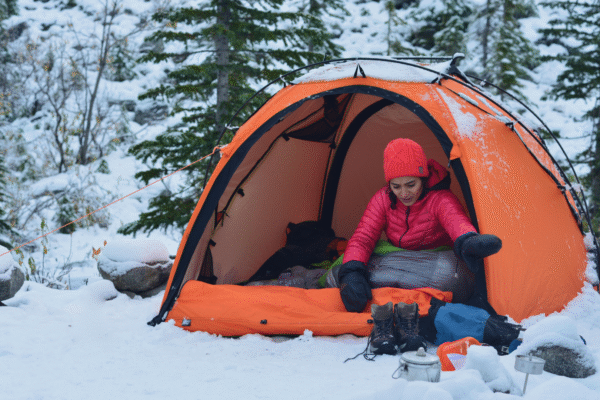
A two-person tent is ideal for solo campers wanting extra space or pairs who prefer a compact setup. Weight and size matter; lightweight tents are easier to carry but must still withstand wind and rain. Look for a tent with a weather-resistant rainfly and a durable floor material like ripstop nylon. Ventilation is important to reduce condensation inside.
Setup time and method should fit the camper’s skill level; freestanding tents provide easy pitching on different surfaces. Consider the packed size to ensure it fits in a backpack alongside other gear.
Selecting a Suitable Sleeping Bag
The sleeping bag must match the climate and season. For cooler conditions, a mummy-shaped bag with synthetic insulation retains heat efficiently. In warmer weather, a looser, lighter bag improves comfort and prevents overheating.
Pay attention to temperature ratings on bags, ideally choosing a rating 5°C lower than expected conditions for a safety margin. Materials like down offer excellent warmth-to-weight ratios but lose insulation if wet. Synthetic bags dry faster and maintain insulation better in damp conditions.
The Importance of Sleeping Pads and Liners
Sleeping pads provide insulation from the cold ground and cushioning for comfort. Insulated sleeping pads are preferable for cooler nights as they combine foam or air chambers with reflective materials. Thickness varies, but 2.5 to 3.5 cm pads balance comfort and portability.
A sleeping bag liner adds warmth and keeps the sleeping bag clean. Liners made from silk or fleece can increase temperature ratings by a few degrees and are easy to wash after trips. Combining a good pad with a liner ensures better rest and longer gear life.
Clothing Strategies for Comfortable Camping
Comfort during a weekend camping trip depends on smart clothing choices that balance warmth, dryness, and mobility. Key elements include managing body temperature through layers, selecting appropriate footwear for varied terrain, and using protective outerwear suited to likely weather conditions.
Layering Basics for Outdoor Conditions
Layering is essential for adapting to temperature changes and physical activity. Start with a moisture-wicking base layer made from synthetic fibres or merino wool to keep skin dry and prevent chills. Avoid cotton, which retains moisture and cools the body.
The middle layer should provide insulation. Fleece or lightweight down jackets are good options to trap heat without bulk. Lastly, an outer layer that is windproof and waterproof shields against rain and wind. These layers should be easy to add or remove to maintain comfort as conditions change.
Footwear Choices for Hiking and Camping
Hiking boots are the best choice for support, grip, and foot protection on uneven terrain. Look for boots with a sturdy sole and a waterproof membrane to keep feet dry during wet conditions. Well-fitted boots help prevent blisters and fatigue.
For lighter activities around the camp, breathable trail shoes or sturdy trainers might be sufficient. They weigh less, helping to keep the overall camping gear light. Packing an extra pair of moisture-wicking socks ensures feet stay dry and comfortable after hikes.
Protective Outer Layers and Accessories
A reliable waterproof jacket is vital for staying dry, especially if the forecast predicts rain. Jackets with adjustable hoods and ventilation zips improve comfort. Waterproof trousers are useful for wet walks, but can be omitted if space or weight is limited.
Accessories like gloves, a warm hat, and neck gaiters protect against cold and wind. Sunglasses and a sunhat are important for sun protection. Choosing compact, multi-use items aids in packing light while covering essential needs.
Efficient Packing and Gear Organisation
Organising gear with intention saves space and reduces stress during a weekend camping trip. Prioritising essential safety and navigation tools alongside smart storage solutions leads to a more efficient and prepared experience.
Smart Use of Packing Cubes and Containers
Packing cubes separate clothing, toiletries, and smaller items, allowing easy access without unpacking everything. Using waterproof containers for electronics and important documents protects them from moisture or rain.
He should categorise gear by type and necessity, placing frequently used items at the top or outer packing cubes. Compressible cubes conserve space for bulky clothing like jackets or sleeping gear. Clear containers or labelled cubes improve visibility, so he can locate items quickly without unpacking layers.
Safety and Navigation Essentials
A multi-tool stored in a secure pouch serves multiple purposes, from gear repair to food preparation. Navigation tools like a compass, backed up by clear maps, reduce reliance on mobile devices, which can fail in remote areas.
Emergency whistles, attached to backpacks or clothing, provide a compact signalling option if separated from the group. Fire safety equipment, including waterproof matches or a compact lighter and a small fire blanket, must be kept accessible for quick response.
First Aid and Emergency Preparedness
The first aid kit should include bandages, antiseptic wipes, pain relievers, and any personal medications. Packing the kit in a waterproof container keeps supplies dry and organised.
Additional items like blister pads and insect bite cream enhance comfort and prevent complications. A compact emergency whistle included here can double as a signalling device during distress. Knowing the location of this kit within the pack ensures timely access in urgent situations.
Planning Food, Cooking, and Hygiene Essentials
Effective preparation ensures food stays fresh, cooking is efficient, and personal hygiene is maintained. Prioritising compact, versatile items and essential hygiene products helps keep the trip simple and organised.
Meal Preparation and Camp Cooking
Selecting easy-to-prepare foods reduces cooking time and waste. Dehydrated meals, canned goods, and pre-cut vegetables are ideal for a weekend camping trip. A portable stove or camping stove with fuel provides control over cooking temperature and speed.
Essential cooking gear includes a lightweight pot, pan, utensils, and a reliable fire starter or waterproof matches. Planning meals that use minimal cookware also minimises cleaning needs. Packing resealable bags helps store leftovers safely.
Sticking to staple foods like pasta, rice, or instant oats allows quick, flexible meals. Avoid perishable items unless there is a cool storage option. Bringing a small cutting board and a multi-tool knife enhances convenience in meal prep.
Key Toiletries and Personal Items
Basic personal hygiene is critical for comfort and health during camping. A biodegradable soap protects the environment while maintaining cleanliness. Essential items include a toothbrush and toothpaste, wet wipes, and quick-dry towels.
Packing a small, well-sealed bag for toiletries prevents leaks and contamination. Including a comb or small hairbrush and any necessary medications ensures readiness without overpacking. Sunscreen must be chosen with an appropriate SPF to protect against UV.
Hand sanitiser is useful when the water supply is limited. Travel-sized containers save space and weight. Keeping toiletries compact, with multi-use items where possible, reduces bulk and hassle.
Hydration, Protection, and Insect Control
Maintaining hydration is vital; carrying enough water or a filtration system is necessary. Lightweight water bottles or collapsible containers are practical for trips. Drinking promptly prevents dehydration, especially if the weather is warm.
Sunscreen and insect repellent provide protection from sunburn and bites. Choosing an effective bug spray or insect repellent with DEET or natural alternatives helps minimise exposure to insects. Applying sunscreen regularly reduces skin damage.
Including a hat, sunglasses, and breathable clothing adds protection. Keeping insect repellent accessible and applying it as directed prevents discomfort. Balancing hydration with protective measures ensures safety outdoors.