

Long-term travel requires careful preparation to ensure a smooth journey. Creating a checklist of essential tasks—like notifying banks and securing home arrangements—can help travellers avoid last-minute stress. With a little forethought, they can focus on the adventures that await rather than worrying about unfinished business at home.
For instance, ensuring home safety is a crucial step before embarking on long-term travel. Start by checking all entry points: address any garage door repairs as well as the main door, and make sure all windows are intact, with no cracks or broken latches. It’s also important to test all security systems, including fire alarms and CCTV cameras, to ensure they are fully operational.
Beyond this, consider unplugging unnecessary electronics, securing valuables in a safe place, and informing a trusted neighbour or friend about your absence. Taking these precautions not only protects your home but also gives you peace of mind, allowing you to enjoy your journey without worrying about potential problems at home.
It’s equally vital to manage finances by informing your banks about travel plans to prevent card issues. Beyond financial preparations, securing a trustworthy house-sitter or making arrangements for pets can provide peace of mind while exploring new destinations.
Additionally, travellers should gather important documents and make copies or digital backups. This preparation can safeguard against potential issues abroad and allow for a more enjoyable experience. By handling these tasks early on, they can set the stage for a fulfilling journey.
Securing Your Home Before Departure
Taking the right steps to secure a home is essential before embarking on long-term travel. Implementing safety measures and arranging for mail and utility management can help protect the property and ensure peace of mind while away. For example, taking the help of expert locksmiths dover, or from a location near you, can help you identify vulnerable locks that may need upgrading or repair before your trip.
Home Safety Measures
To enhance home security, consider the following actions:
- Lock All Doors and Windows: Double-check that all entry points are securely locked. Reinforce weak points with deadbolts if necessary.
- Install a Security System: A monitored alarm system can deter potential intruders. Ensure it is activated before leaving.
- Use Timers for Lights: Set timers on indoor and outdoor lights to create the illusion of occupancy. This simple step can discourage unwanted visitors.
- Notify Neighbours: Inform trusted neighbours of travel plans. They can keep an eye on the property and report any suspicious activity.
- Remove Valuables: Store valuable items in a safe or take them with you. Avoid leaving high-value objects in plain sight.
In addition to these security measures, preparing your HVAC system before an extended trip can help prevent unexpected issues while you’re away. For example, following a simple pre-vacation HVAC checklist, such as replacing filters, setting the thermostat appropriately, and ensuring your In-Duct Air Purifier is functioning properly, can make your return home much smoother and more comfortable. Moreover, taking the time to handle these tasks can also reduce the risk of system strain, helping your HVAC run efficiently when you get back.
Beyond general safety measures, a critical aspect of protecting your home during extended absences involves the secure storage of irreplaceable valuables and important documents. For items that cannot be taken with you, investing in a robust, fire-rated safe offers unparalleled protection against both theft and unforeseen disasters. Opting for high-quality gun safes can provide peace of mind, knowing your most cherished possessions are safeguarded. These specialized safes tend to be engineered with advanced locking mechanisms and reinforced steel, providing a secure haven for firearms, jewelry, and sensitive papers.
Mail and Utilities Arrangements
Managing mail and utility services is crucial when away for an extended period:
- Hold or Forward Mail: Contact the local post office to hold mail or set up mail forwarding. This prevents overflowing mail, which signals absence.
- Pause Utility Services: Arrange to pause or adjust services like newspapers and lawn maintenance. This prevents unnecessary bills and signals that the home is vacant.
- Adjust Thermostat and Lights: Set the thermostat to an energy-saving mode. Consider using smart home technology to adjust lights or heating remotely.
- Unplug Non-Essential Electronics: To save energy and reduce fire risk, unplug devices that are not necessary while away. This includes small appliances and chargers.
Implementing these measures helps secure the home and ensures everything is in order upon return.
Travel Documentation and Essentials
Before embarking on long-term travel, it is crucial to organise essential documentation and health-related items. Proper preparation can ensure a smooth journey with minimal interruptions.
Passport and Visa Preparation
A valid passport is paramount for international travel. It is advisable to check its expiry date; many countries require a passport to be valid for at least six months beyond the planned return date. Renewal should be initiated well in advance, as processing times can vary significantly.
Visas are often required depending on the destination country. Researching visa requirements in advance is essential. Some countries may allow a visa-on-arrival, while others require applying before departure. It is wise to keep printed copies of both the passport and visa, alongside digital backups stored securely.
Travel Insurance and Health Considerations
Travel insurance is not an optional luxury; it is a necessity for long-term trips. Policies should cover medical emergencies, trip cancellations, and personal belongings. Choosing a comprehensive plan that includes coverage for adventure sports, if applicable, is advisable.
Health considerations must also be addressed before departure. It is vital to consult a healthcare professional regarding necessary vaccinations for specific regions. Furthermore, carrying a prescription for any ongoing medications is important to facilitate access while abroad. Keeping copies of medical documents can also be beneficial.
Packing a First Aid Kit
A well-stocked first aid kit is an essential part of travel preparations. This kit should include the following items:
- Adhesive bandages of various sizes
- Antiseptic wipes
- Gauze and tape
- Pain relief medication (e.g., paracetamol or ibuprofen)
- Allergy medication (e.g., antihistamines)
- Any personal medications
Tailoring the kit to personal health needs is advisable. Including a basic instruction guide for first aid can be useful for quick reference. Regularly checking and updating the first aid kit’s contents ensures preparedness for any minor health issues during the journey.
Financial Readiness and Accommodation Planning
Preparing for long-term travel requires a solid financial plan complemented by thoughtful accommodation strategies. This ensures the traveller can manage expenses and secure comfortable places to stay throughout their journey.
Organising Travel Credit Cards
Choosing the right travel credit cards is crucial for long-term trips. Many cards offer benefits such as no foreign transaction fees and rewards on travel-related purchases.
Key considerations include:
- Rewards Programs: Look for cards that provide points for flights and hotels. This can significantly cut costs over time.
- No Annual Fees: Some cards waive fees during the first year, which can be cost-effective.
- Emergency Support: Good cards provide assistance abroad, which is valuable when facing unexpected situations.
It’s advised to apply for several cards well in advance to maximise benefits while ensuring they integrate smoothly with the traveller’s existing finances.
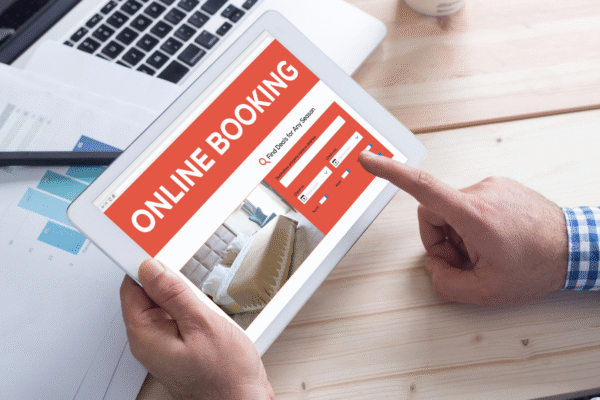
Booking Accommodation in Advance
Securing accommodation before departure helps avoid last-minute hassles. Consider a mix of options depending on location and budget:
- Hostels: For those travelling on a budget, hostels can offer affordable rates while providing opportunities to meet fellow travellers.
- Short-term Rentals: Platforms like Airbnb often offer discounts for longer stays, providing home-like comfort.
- Hotels: Booking directly through hotel websites can yield better rates and flexible cancellation policies.
It’s advisable to research and read reviews beforehand to ensure reliable choices, particularly in unfamiliar areas.
Budgeting for Long-Term Travel
Creating a detailed budget is essential for sustained travel. A careful plan can prevent overspending and ensure funds last throughout the journey.
- Estimate Daily Expenses: Include accommodation, food, transport, and activities. Multiply by the number of days for a comprehensive budget.
- Emergency Fund: Set aside funds for unexpected expenses, such as medical emergencies or travel disruptions.
- Track Spending: Use apps or spreadsheets to monitor daily expenses and adjust as necessary.
Ultimately, remaining organised and realistic about financial planning can significantly enhance the travel experience.
Planning Activities and Itinerary
Effective planning of activities and an itinerary is crucial for a smooth, long-term travel experience. It involves thorough research and creating a travel plan that allows for flexibility, ensuring that travellers can fully enjoy their journey.
Researching Activities for Your Trip
Identifying activities that align with personal interests is essential. Start by considering local attractions, cultural experiences, and outdoor adventures available at the destination. Online platforms such as TripAdvisor and local tourism websites can provide valuable insights.
- Cultural Sites: Museums, historical landmarks, and galleries.
- Outdoor Activities: Hiking, biking, and water sports.
- Local Events: Festivals, concerts, and sports matches.
Additionally, engaging with travel forums can yield recommendations from fellow travellers. Incorporating a mix of activities ensures a well-rounded experience and can enhance enjoyment during the trip.
Creating a Flexible Travel Plan
While a structured itinerary is helpful, flexibility is vital. Long-term travel often yields unexpected opportunities and changes. A travel plan should include key dates and must-see locations, yet leave room for spontaneity.
- Outline Key Destinations: Prioritise locations and allocate time based on interest.
- Daily Flexibility: Allocate only a portion of each day to planned activities.
- Consider Travel Time: Account for transport durations between destinations.
This approach allows for adjustments based on personal preference or local recommendations encountered along the way, maximising the overall travel experience.