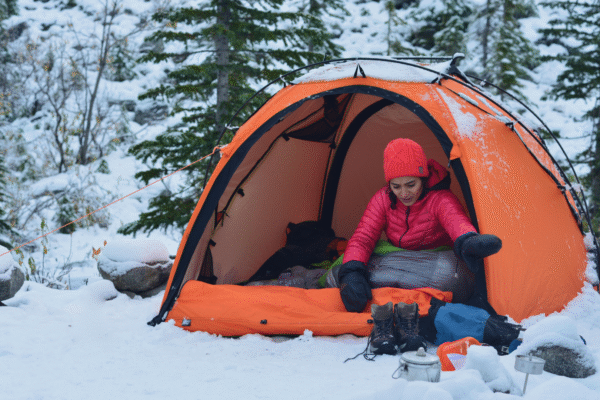


Travelling for a year without returning home offers a unique blend of excitement and challenge. Many experience a profound sense of freedom as they explore new landscapes, cultures, and cuisines, forging connections that often last a lifetime. The journey transforms one’s perspective, creating lasting memories that significantly shape personal growth.
Long-term travel requires careful planning and adaptability. Navigating various countries can present challenges, from language barriers to cultural differences. Each destination brings its own set of experiences, encouraging flexibility and resilience.
Temporary detachment from familiar environments often leads to self-discovery. Individuals find themselves learning more about their values and priorities, as the absence of home comforts can prompt reflection and personal evolution.
Planning for a Year of Constant Travel
Embarking on a year of travel requires meticulous planning. Key elements include establishing a budget, mapping out the main routes or regions, and ensuring all necessary documentation is prepared.
Beyond these basics, careful planning can also involve comparing different travel insurance plans, understanding what each one actually covers, and choosing the level of protection that fits one’s style of travel and the kinds of coverage they’re comfortable with.
In addition, when spending long periods in unfamiliar places, it can also be wise to know where to turn if something goes wrong on the road. Having the details of professionals like Stewart Bell Injury Lawyers can help in the event of an accident caused by someone else’s negligence. In such circumstances, having access to a team that can help one understand their rights, deal with insurance companies, and pursue fair compensation can make the process much easier.
Setting a Realistic Budget
A thorough budget is essential for year-long travel. It helps to ensure sustainability without financial strain. The traveller should consider various expenses, including accommodation, meals, transportation, activities, and emergency funds.
Here’s a simple breakdown:
- Accommodation: £20-£100 per night, depending on location.
- Meals: £5-£30 per day.
- Transport: £100-£500 monthly, varying by region.
- Activities: £50-£200 per week.
Additionally, travellers should factor in currency exchange rates and consider using travel credit cards with no foreign transaction fees for better financial management.
Securing the Right Travel Insurance
Choosing appropriate travel insurance is vital for protecting against unforeseen events. Coverage should include trip cancellations, medical emergencies, lost belongings, and flight delays.
When selecting a policy, consider these factors:
- Duration of Coverage: Ensure the policy covers the entire travel period.
- Medical Cover: Look for high medical expense coverage, especially in countries with expensive healthcare.
- Adventure Activities: Check if the policy covers activities planned, such as hiking or diving.
Comparing several policies can provide better options.
Preparing Visas and Documentation
Visa requirements can greatly vary based on destination. Research is crucial; some countries offer visa-free entry while others require advance arrangements.
Key steps include:
- Check Visa Requirements: Visit the official government websites for destination countries.
- Apply Early: Some visas can take weeks to process.
- Organise Documentation: Keep copies of all important documents. This includes passports, visas, travel insurance, and emergency contacts.
Using a travel app to store digital copies can be beneficial. This ensures access to critical information, even without internet connectivity.
Navigating Accommodation and Transportation
Finding suitable accommodation and reliable transportation is crucial for long-term travel. Prioritising comfort, cost, and convenience can significantly affect the travel experience.
Choosing Between Guesthouses, Hostels, and Airbnb
Guesthouses offer a more intimate and personal experience, often run by locals. They frequently provide meals and local insights, enhancing the travel experience.
Hostels are budget-friendly and excellent for socialising. Many hostels have communal kitchens, which can help save money. They often feature dormitory-style rooms as well as private options.
Airbnb provides a unique chance to stay in local homes, which can range from shared spaces to whole apartments. It’s ideal for those seeking a homely atmosphere or longer stays. Price comparisons through platforms can help identify the best deals.
Finding Cheap Flights and Local Transit Options
To uncover cheap flights, comparison sites like Skyscanner or Google Flights are invaluable. Flexibility with dates, as well as booking in advance, often results in significant savings.
For local transport, public transportation systems like buses and trains usually offer affordable options. Services such as Uber or local ride-sharing apps may also be available, providing convenience at a reasonable cost.
Always check for travel passes that cover multiple journeys, as they can be more economical.
Long-Term Stays versus Frequent Moves
Opting for long-term stays offers stability, often at reduced rates. Many places offer discounts for weekly or monthly bookings, making it financially sensible.
Frequent moves, on the other hand, can provide a broader experience of different cultures and areas. This approach requires more organisation and can lead to unexpected expenses, such as luggage fees. Careful budgeting and planning are essential to manage costs effectively.
Experiencing Daily Life on the Road
Living on the road for a year involves navigating various aspects of life, from practical daily routines to the emotional landscape it creates. Each facet contributes to a multifaceted experience of independence and cultural immersion.
Living as an Independent Traveller
Independent travellers enjoy the freedom to choose their itinerary and pace. They often stay in hostels, hotels, or even local homes through platforms like Airbnb, allowing them to immerse themselves in different cultures.
Daily routines can vary greatly; mornings may begin with local breakfasts, while afternoons might be spent exploring markets or museums. Managing accommodation and travel logistics becomes part of the adventure, requiring adaptability and resourcefulness.
Budget management is essential. Most travellers track expenses to ensure they remain within limits, often using budgeting apps or spreadsheets, and opting for local transport to save costs. This independence fosters confidence and encourages them to connect with locals.
Embracing Backpacking Culture
Backpacking culture is defined by a sense of community among travellers. Hostels often serve as social hubs where individuals exchange stories, tips, and experiences. This fosters a unique camaraderie that enriches daily life on the road.
Backpackers commonly adhere to a nomadic lifestyle, embracing minimalism. They tend to carry only essential items in their backpacks, which promotes simplicity and encourages conscious consumption. Shared meals or group activities often create memorable experiences that enhance the travel journey.
Participating in local customs adds depth to their experience. Volunteer opportunities or community projects can provide insight into local issues and cultures, leading to a more immersive travel experience.
Managing Loneliness and Emotional Well-Being
Loneliness can be a significant challenge for long-term travellers. While the initial thrill of exploration can be exhilarating, prolonged time on the road may lead to feelings of isolation.
Engaging with other travellers through group activities, social media, or local events can combat these feelings. Maintaining contact with friends and family back home via video calls or messages is also crucial for emotional support.
Mindfulness practices, such as journaling or meditation, can help manage emotions. Taking time for self-reflection allows travellers to process their experiences and feelings, helping maintain a healthy emotional balance throughout their journey.
Understanding the Role of Privilege in Global Travel
Privilege plays a vital role in shaping travel experiences. Factors such as economic status, nationality, and access to resources can significantly impact one’s ability to travel freely.
Many independent travellers benefit from the privilege of time and financial resources, enabling them to embark on extended journeys. This privilege can sometimes shield them from the realities faced by locals in the regions they visit.
Awareness of this privilege is essential. Responsible travellers often seek to engage in ethical tourism, supporting local economies and being mindful of their environmental impact. Understanding these dynamics enriches their travel experience while promoting a more equitable approach to exploration.
Maximising Value and Making Travel Affordable
Reducing travel costs can enhance the experience significantly. It allows for extended adventures and more immersive experiences. Employing effective strategies can make travel not only affordable but sometimes even free.
Strategies to Travel for Free
Many opportunities exist for independent travellers to explore without major expenses. Volunteering through programmes like WWOOF or Workaway offers accommodation and meals in exchange for work. This not only provides free lodging but also deepens cultural immersion.
Couchsurfing is another excellent option, connecting travellers with locals who offer free places to stay. This builds community and enriches the travel experience.
Hitchhiking is a classic option, ideal for those with a flexible itinerary. It requires a spirit of adventure and safety awareness, but can lead to unexpected encounters and savings.
Lastly, utilising public transport or exploring on foot minimises costs while enhancing the journey.
Leveraging Travel Credit Cards and Loyalty Programmes
Using travel credit cards strategically can yield substantial benefits. Many cards offer sign-up bonuses that can cover flights or hotel stays. Rewards points accumulate with every purchase, enabling future travel at reduced rates.
It’s crucial to choose cards with no foreign transaction fees, enhancing cost-efficiency while abroad. He or she should look for cards offering bonus points for specific spending categories, such as dining or travel.
Loyalty programmes with airlines and hotels provide further benefits. Joining these programmes allows for earning points that can lead to free flights or room upgrades.
Staying in the same hotel chain consistently can yield additional perks like early check-ins or late check-outs. Maximising benefits from these programmes can significantly reduce travel expenses while enhancing the quality of the experience.