
The debate between glamping and camping offers outdoor enthusiasts distinct choices for their adventures. While camping typically involves traditional tents and basic amenities, glamping elevates the experience by combining the charm of nature with modern comforts, appealing to those who seek a more luxurious getaway. Each option has its unique advantages, catering to different preferences and styles of enjoying the great outdoors.
For adventure seekers, camping provides an authentic experience, allowing them to immerse themselves fully in nature. It brings the thrill of setting up a tent, cooking over an open fire, and sleeping under a blanket of stars. Conversely, glamping allows individuals to appreciate the beauty of the outdoor environment while enjoying the perks of more sophisticated facilities, such as comfortable beds and private bathrooms.
Ultimately, the choice between glamping and camping hinges on personal preferences and desired experiences in nature. Whether one opts for the simplicity of camping or the indulgence of glamping, both paths promise memorable outdoor escapades.
Defining the Experience
Camping and glamping offer distinct experiences that cater to different preferences and lifestyles. While traditional camping immerses individuals in nature with minimal comforts, glamping introduces elements of luxury and convenience into the outdoor experience.
What Is Camping?
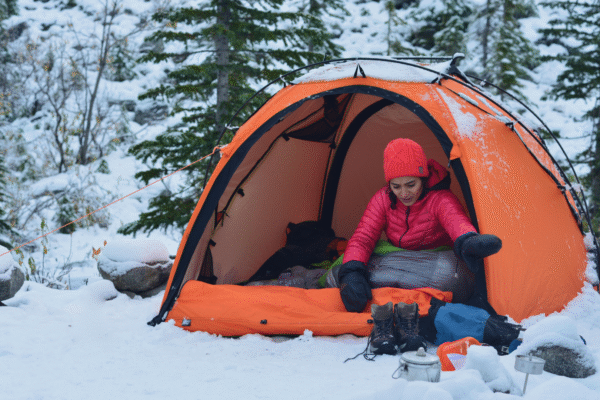
Camping refers to the practice of spending time outdoors, typically involving activities like hiking, fishing, or simply enjoying nature. Traditional camping often involves setting up tents in various environments, including forests, mountains, or even lakes.
Campers generally have to bring their equipment, such as tents, sleeping bags, and cooking gear. This method can include types like wild camping, where individuals camp in remote locations, and backpacking, which combines hiking and camping, often with lightweight gear.
In car camping, individuals drive to a campsite and set up in designated areas, allowing for more gear and comforts than wild camping. The essence of camping is to embrace nature’s simplicity, focusing on adventure and the outdoors.
What Is Glamping?
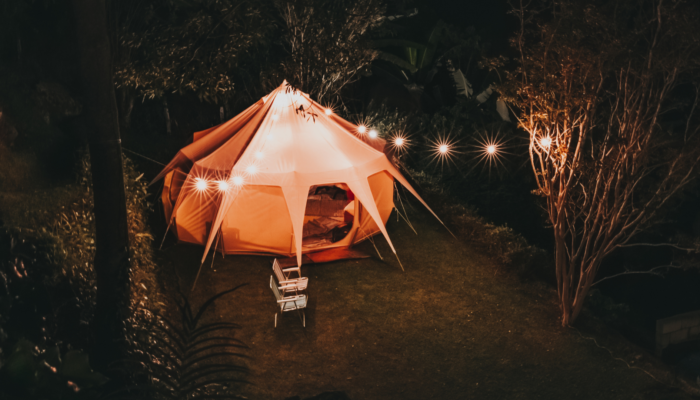
Glamping, short for glamorous camping, elevates the camping experience by combining nature with luxury. This trend appeals to those seeking a more comfortable way to enjoy the outdoors without sacrificing modern conveniences.
Accommodations can include safari tents, yurts, and even treehouses, often furnished with proper beds, electricity, and sometimes even air conditioning. Glamping sites usually provide additional amenities, such as gourmet meals and guided activities, creating a more curated experience. Sites like Greenhill Glamping can be a good example of how these destinations bring together scenic surroundings and well appointed accommodations to create a stay that feels genuinely special rather than simply functional.
This style of camping is suited for those who want to connect with nature while enjoying the comforts typically found in hotels. It appeals to a wider audience, including families and couples, allowing them to experience nature less ruggedly.
Preparation and Packing
Effective preparation and packing are essential for both camping and glamping. Each style has distinct requirements that cater to different levels of comfort and experience in the outdoors.
Essentials for Camping
For traditional camping, packing must focus on functionality and survival. Key items include:
- Tent: Choose a durable, weather-appropriate model. Consider size based on the number of occupants.
- Sleeping Bag: Select one suitable for the climate. A down sleeping bag provides warmth and packs small.
- Sleeping Pad: This enhances comfort and insulation from the ground.
A camping stove is crucial for cooking. Select a reliable model and bring fuel. It’s also important to have cooking equipment such as pots, pans, and utensils.
Food supplies should include non-perishable items like canned goods, pasta, and snacks. A well-stocked first aid kit adds safety.
Dress appropriately in moisture-wicking clothing, waterproof layers, and sturdy boots to handle varying weather conditions.
What to Bring for Glamping
Glamping requires a different packing approach, emphasizing comfort and convenience. Essential items include:
- Air Mattress: Provide a more comfortable sleeping experience. Choose one that’s easy to inflate and deflate.
- Fully Equipped Kitchen: Many glamping sites offer well-equipped kitchens. Bring specialty items like a high-quality knife, a cutting board, and specific cooking utensils.
Pack casual clothing suitable for outdoor activities, along with lounging wear for relaxing. Optional items include a hammock and outdoor games to enhance leisure time.
Food can be more varied; gourmet ingredients and pre-prepared meals allow for a more refined cooking experience. Don’t forget a portable cooler for perishables and drinks.
Accommodations and Amenities
The choice between camping and glamping largely hinges on the types of accommodations and amenities available. Each option presents unique features that cater to different preferences and comfort levels.
Camping Facilities
Camping typically offers basic accommodations designed for outdoor enthusiasts. Campers often rely on tents, which may vary in size and design, from simple two-person models to larger family tents.
Key amenities usually include:
- Shared bathrooms: These often have toilet and shower facilities, but privacy is limited.
- Basic cooking stations: Picnic tables and fire pits are commonly found, allowing for outdoor cooking.
- Limited electricity: Some campgrounds offer access to power outlets, though many do not.
While these facilities allow for a connection with nature, they lack the comforts that some may expect from a holiday.
Glamping Luxuries
Glamping elevates the camping experience, providing enhanced accommodations that combine nature with comfort. Options include yurts, treehouses, and cabins, often featuring more substantial structures.
Notable features of glamping include:
- Real beds: Unlike sleeping bags on the ground, glamping options typically include proper beds with comfortable bedding.
- Private bathrooms: Many glamping sites boast en-suite or nearby facilities with hot showers and running water.
- Creature comforts: Heating, air conditioning, and electricity are common, allowing guests to enjoy a more luxurious stay.
These amenities ensure that glampers can immerse themselves in the outdoors without sacrificing comfort. In practice, exploring options such as Agriturismo Pereti or similar reputable accommodations can provide firsthand experience of these comforts, with thoughtfully designed amenities that make outdoor stays both enjoyable and convenient.
Costs and Accessibility
The financial implications and ease of access to camping and glamping vary significantly. Understanding these aspects can help individuals decide which outdoor experience aligns with their budget and lifestyle.
Budgeting for Camping
Camping is often perceived as the more economical choice. Basic costs include gear, food, and site fees. An entry-level camping setup can range from £100 to £500, depending on whether one purchases or rents equipment like tents, sleeping bags, and cooking supplies. Food expenses can be minimal with self-catering options, roughly £10-£20 per person per day. Campsites generally charge fees between £10 to £30 per night for basic amenities.
Accessibility is also a factor to consider. Many campsites are within reasonable driving distance, making them convenient for spontaneous trips. This budget-friendly approach allows individuals to enjoy nature without major financial strain.
Investing in Glamping
Glamping introduces a higher cost structure, often reflecting the luxuries and conveniences it offers. Prices typically range from £100 to over £300 per night, depending on the location and type of accommodation, such as yurts or safari tents. This investment usually covers amenities like comfortable bedding, plumbing, and gourmet food options. Such luxuries appeal to those seeking comfort in nature without the effort of traditional camping. Accessibility varies, with some glamping sites situated in remote areas, often requiring more planning for transportation. While the cost may seem substantial, the experience often includes unique features that justify the price, such as guided activities or private spaces.